
Services
Liquid Penetrant Testing Singapore | Dye Penetrant Testing (PT)
Surface-breaking defect detection for non-porous materials—ideal for welds, castings, and machined components. Serving Singapore, Malaysia & SEA.
What is Dye Penetrant Testing (PT)?
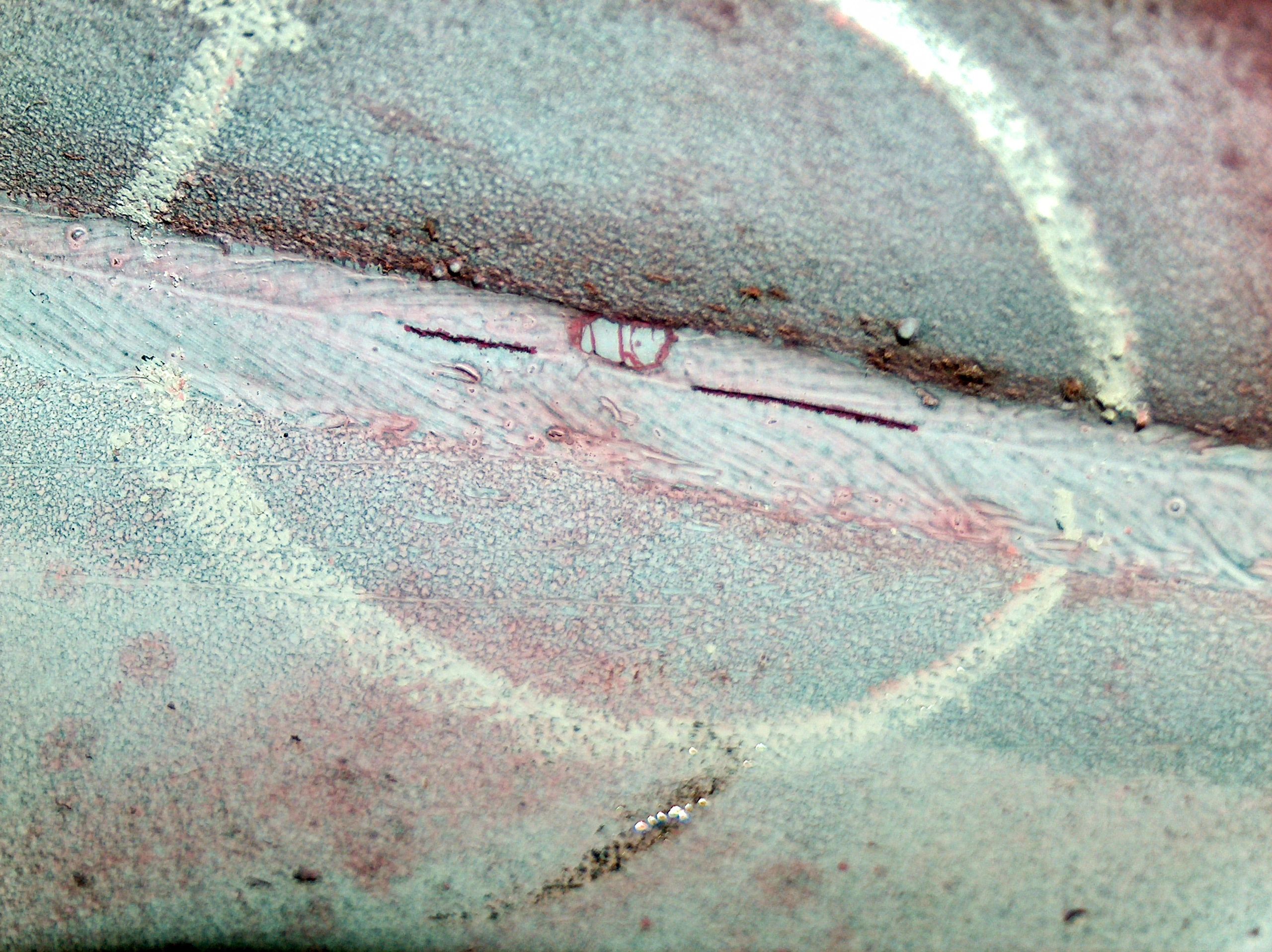
Dye Penetrant Testing (PT) is a widely used non-destructive testing method for finding surface-breaking defects such as cracks, laps, seams, porosity, and lack of fusion that are open to the surface.
PT is suitable for non-porous materials including carbon steel, stainless steel, aluminium, and many non-ferrous alloys. It is commonly applied to welds, castings, forgings, and machined parts where surface integrity is critical.
PT process
How PT works (typical workflow)
A clear, repeatable process helps deliver reliable indications and consistent reporting.
1) Surface preparation
Clean and dry the test surface to remove oil, paint, scale, and contaminants that can mask defects.
2) Apply penetrant + dwell time
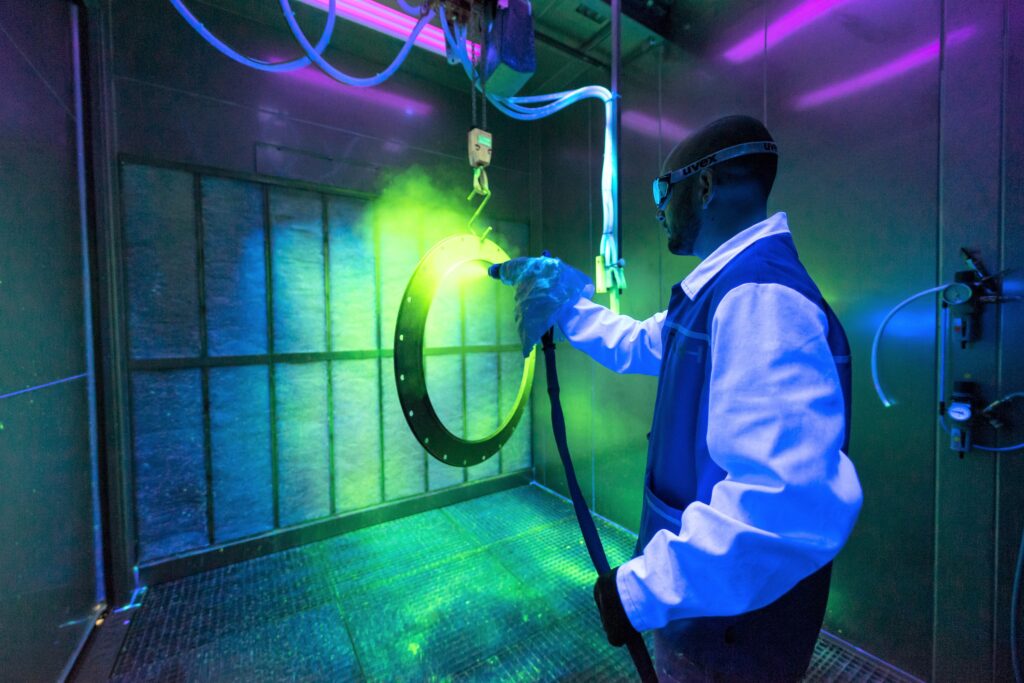
Apply visible or fluorescent penetrant and allow adequate dwell time so it can enter surface-breaking discontinuities.
3) Remove excess penetrant + apply developer
Remove penetrant from the surface (without flushing defects), then apply developer to draw penetrant back out for clear indications.
4) Inspection + interpretation + reporting
Inspect under appropriate lighting conditions, interpret indications, document results, and issue a clear report for your QA/QC records.
Where PT is used—and what it finds
PT is a fast, cost-effective method for verifying surface integrity across many industrial applications.
Weld inspection
Detect surface cracks, toe cracks, and surface porosity on weld caps and adjacent HAZ.

Castings & forgings
Reveal shrinkage cracks, laps, seams, and other surface-connected discontinuities.

Machined components
Identify grinding cracks and surface tearing on critical machined faces.
In-service checks
Support maintenance inspections where early crack detection helps prevent unplanned downtime.