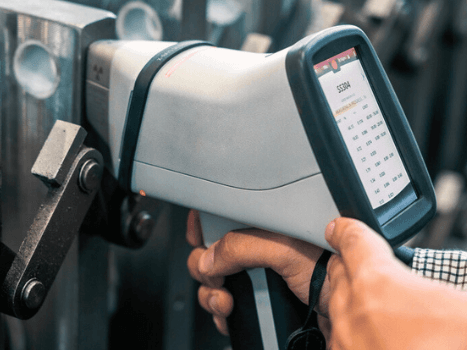
Service • Material verification
Positive Material Identification (PMI) Testing
Verify alloy grades and confirm material composition for critical components and welds—supporting quality control, traceability, and compliance across industrial projects in Singapore, Malaysia & SEA.
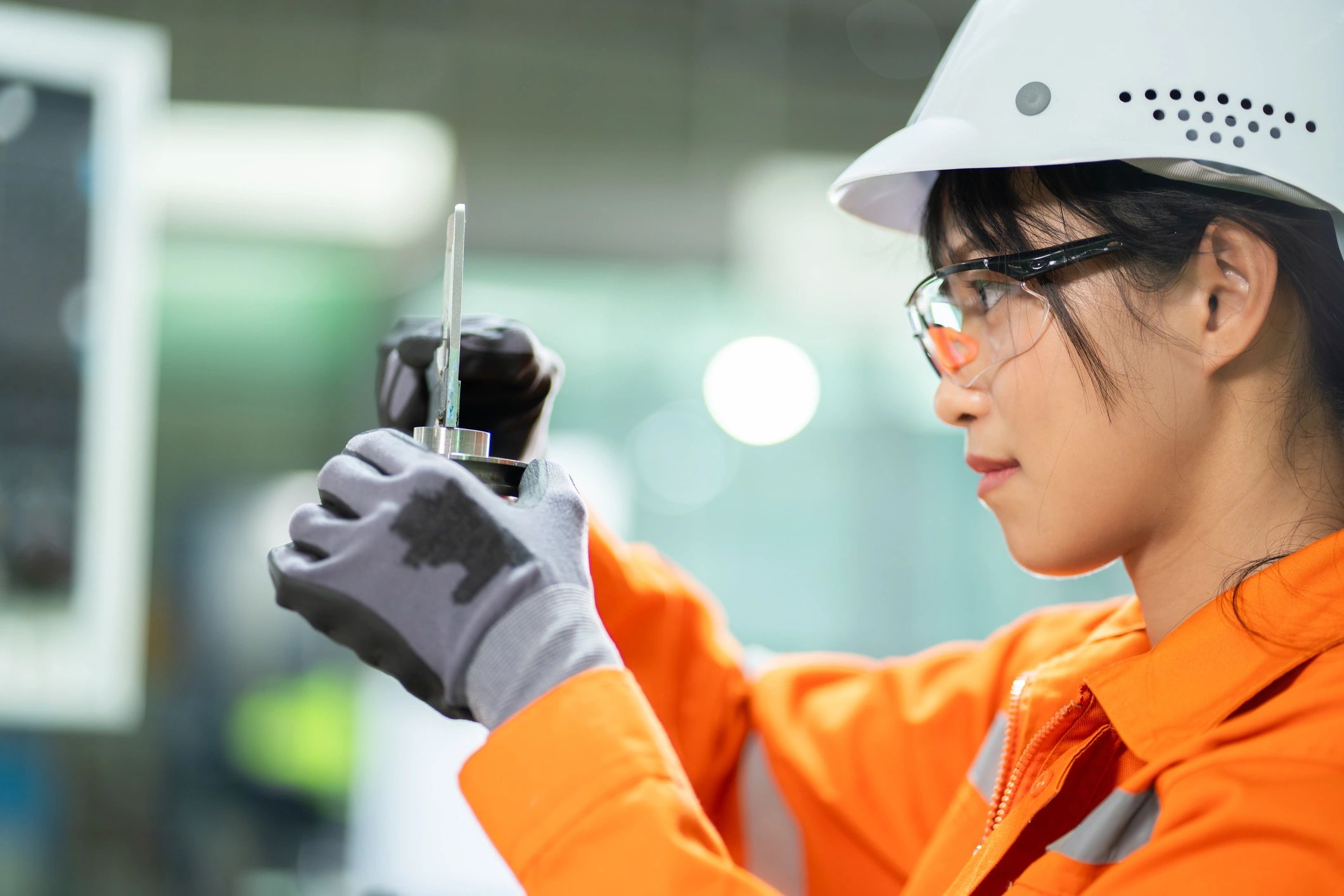
What PMI is used for
PMI is a non-destructive method used to identify and verify the chemical composition of metals and alloys. It helps confirm that the right material grade is installed—especially where mix-ups can lead to corrosion, cracking, or premature failure.
Typical PMI scope includes base material checks, weld and weld-overlay verification, incoming material inspection, and spot checks during fabrication, installation, or maintenance. Results are documented for traceability and project QA/QC records.
Why it matters
Key benefits of PMI for your project