
Services • Leak Testing (LT)
Leak Testing (LT) for industrial systems
Detect and quantify leaks in pressurised systems, vessels, valves, and pipework to support safe operation, compliance, and reliable commissioning across Singapore, Malaysia & SEA.
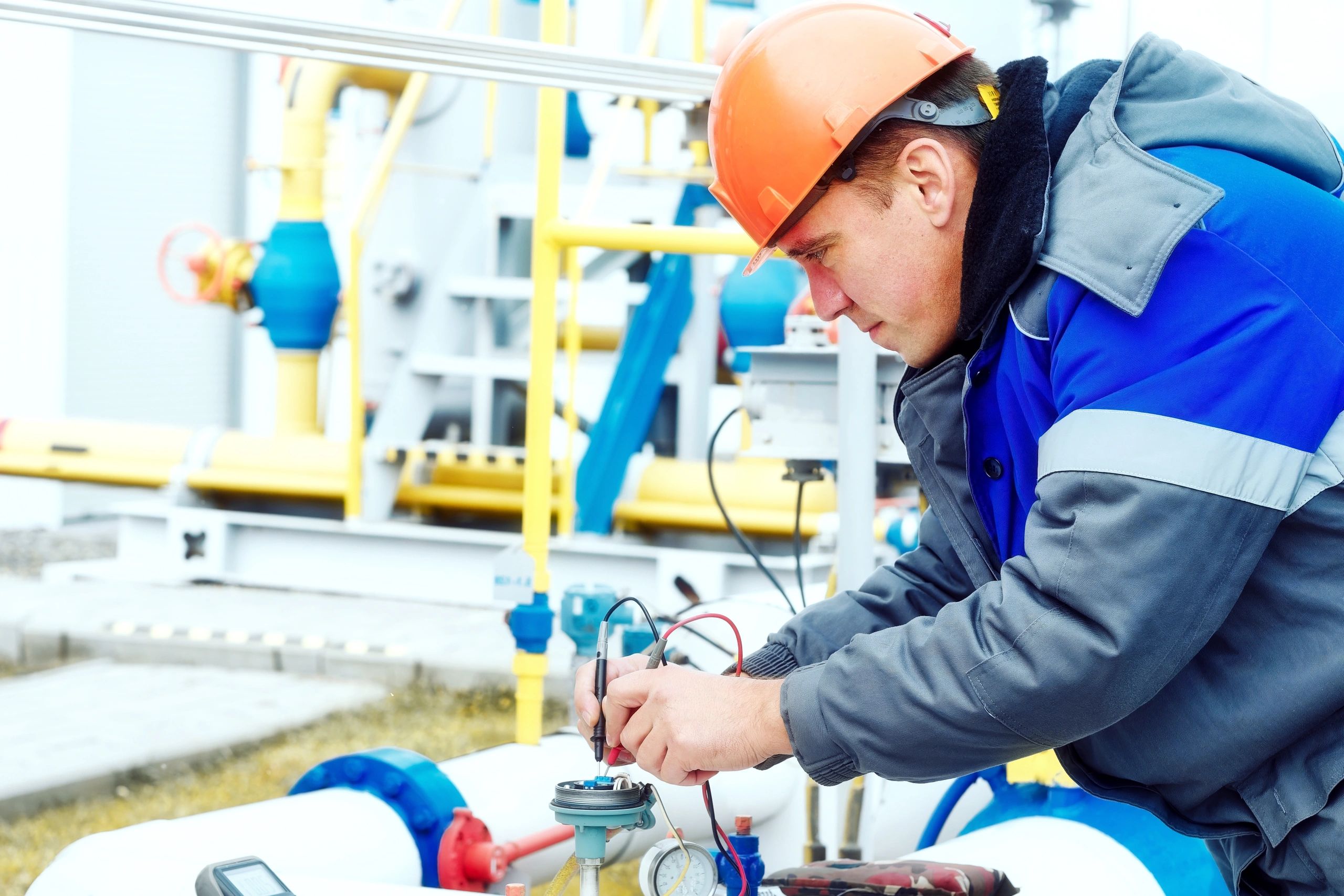
What LT covers
Find leaks early—before they become downtime
Leak Testing helps verify integrity and tightness for components and assemblies where leakage can affect safety, performance, or environmental requirements. We tailor the method to your system, acceptance criteria, and site constraints.
Typical applications
Pressure vessels, heat exchangers, storage tanks, valves, flanges, welded joints, pipe spools, and packaged skids.
Outputs you can use
Clear pass/fail results, leak location identification, and practical recommendations to support repair planning and re-test.
Our approach
Leak testing workflow (site-ready)
A practical, safety-first workflow designed for live sites, shutdowns, and commissioning—aligned to your project requirements and access conditions.
1) Scope & acceptance criteria
Confirm test boundaries, medium (air/nitrogen/helium/water), pressure levels, hold times, and acceptance criteria based on codes/specs and client requirements.
2) Preparation & safety controls
Verify isolation, venting, calibration status, and safe pressurisation plan. Establish exclusion zones and ensure suitable detection equipment is ready.
3) Test execution & leak localisation
Perform the test using the selected method (e.g., pressure decay, bubble/soap solution, vacuum box, tracer gas). Identify and mark leak points for rectification.
4) Reporting & close-out
Issue a clear report with results, test parameters, observations, and recommendations. Support re-test after repairs where required.
Methods
Leak testing methods we support
We select the most suitable method based on sensitivity needs, system volume, accessibility, and whether the asset is in fabrication, commissioning, or service.
Pressure decay / pressure drop
Monitors pressure change over time to indicate leakage—useful for closed systems and assemblies where direct access to all joints is limited.
Bubble / soap solution
A fast, visual method for locating leaks at accessible joints, fittings, and welds during fabrication and installation checks.
Vacuum box testing
Applies vacuum over a sealed area to reveal through-wall leaks—commonly used on weld seams and plate joints where surface access is available.
Tracer gas (e.g., helium)
High-sensitivity option for critical systems. Enables precise leak localisation and quantification when very low leak rates must be detected.
Leak Testing (LT) FAQs
Common questions we receive for on-site and workshop leak testing scopes.
What information do you need to quote for LT?
System description, test medium, pressure/hold time, access constraints, location, schedule, and any applicable code/spec acceptance criteria.
Can LT be done during shutdowns or commissioning?
Yes. We support both shutdown and commissioning windows, including urgent scopes where mobilisation and reporting turnaround are critical.
Do you provide pass/fail criteria?
We follow client specifications and relevant standards. If criteria are not defined, we can help propose practical acceptance criteria for approval.
Will you help locate the exact leak point?
Where feasible, we use localisation methods (bubble solution, vacuum box, tracer gas detection) to pinpoint leak locations for repair.
Is tracer gas testing always required?
Not always. Tracer gas is typically used when higher sensitivity is needed or when conventional methods cannot reliably detect very small leaks.
How fast can you deliver reports?
We aim for fast response and quick reporting turnaround (ASAP where possible), depending on scope complexity and request queue.