
Service • Surface & near-surface crack detection
Magnetic Particle Testing Singapore | MT Inspection
Fast, reliable MT inspection for ferromagnetic components—ideal for welds, castings, and fabricated steel. Serving Singapore, Malaysia & SEA with disciplined inspection practices and clear reporting.
What is Magnetic Particle Testing (MT)?
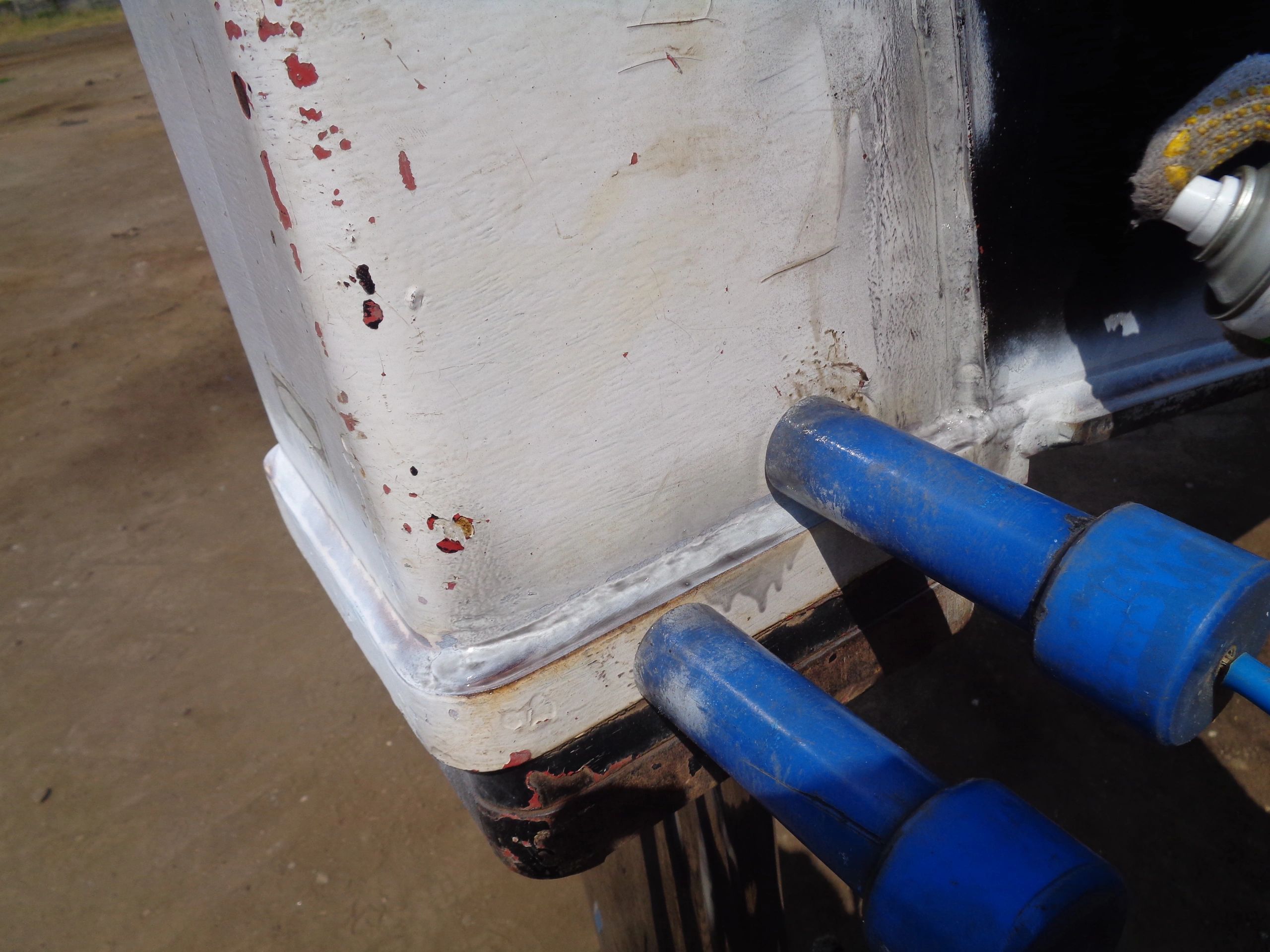
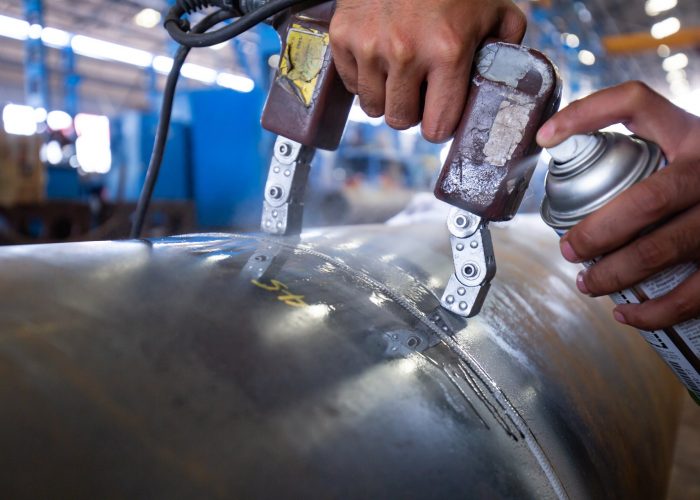
Magnetic Particle Testing (MT) is a non-destructive method used to detect surface and near-surface discontinuities in ferromagnetic materials (e.g., carbon steel and some alloys). A magnetic field is applied to the component and fine magnetic particles are introduced; any leakage field caused by a flaw attracts the particles, forming a visible indication.
MT is commonly used for weld inspection, fabrication QA/QC, maintenance shutdowns, and in-service checks where fast coverage and high sensitivity to cracking are required.
Why MT
Key advantages for fabrication & maintenance
High sensitivity to cracking
Excellent for detecting tight surface-breaking cracks and near-surface flaws in ferromagnetic materials.
Fast coverage & mobilisation
Efficient for large weld volumes, shutdown work, and urgent site requests—ideal when turnaround matters.
Clear, visual indications
Indications are directly visible under suitable lighting (including UV for fluorescent methods), supporting confident evaluation.
Cost-effective inspection
A practical choice for routine welds, repairs, and in-service checks where MT is applicable.
Our approach
How BRIGHT TECH ENGINEERING performs MT
A consistent workflow helps ensure reliable results and reporting. The exact technique is selected based on component geometry, access, and inspection objectives.
1) Job review & surface preparation
Confirm inspection scope, acceptance criteria (as specified by the client), and ensure the test surface is suitably prepared for effective indication formation.
2) Magnetisation technique selection
Choose appropriate magnetisation (e.g., yoke/coil/prods where suitable) and field direction(s) to maximise sensitivity to expected flaw orientation.
3) Particle application & examination
Apply visible or fluorescent particles and examine under the correct lighting conditions. Relevant indications are evaluated and recorded.
4) Reporting & close-out
Provide clear findings, locations, and supporting details for client decision-making. Demagnetisation and post-cleaning can be performed when required.